nystatin and triamcinolone acetonide cream usp for ringworm What is nystatin / triamcinolone?
Nystatin / Triamcinolone is a medication that is commonly used to treat various skin conditions. It is a combination of two active ingredients: nystatin, an antifungal medication, and triamcinolone, a corticosteroid.
What is Nystatin / Triamcinolone used for?
Nystatin / Triamcinolone is primarily used to treat fungal infections of the skin, such as athlete’s foot, jock itch, and ringworm. These infections are caused by a group of fungi called dermatophytes, which thrive in warm and moist environments.
How does Nystatin / Triamcinolone work?
The antifungal agent nystatin in this medication works by disrupting the cell membrane of the fungi, thereby killing them. Nystatin is specifically effective against Candida species. Triamcinolone, on the other hand, is a corticosteroid that helps reduce inflammation, redness, and itching associated with skin infections.
What are the possible side effects?
Like any medication, Nystatin / Triamcinolone may cause some side effects. Common side effects include burning, itching, or irritation at the site of application. These side effects are usually mild and temporary.
However, some people may experience more severe side effects, such as allergic reactions. Signs of an allergic reaction may include rash, itching or swelling, severe dizziness, or trouble breathing. If you experience any of these symptoms, seek medical attention immediately.
How to use Nystatin / Triamcinolone?
Nystatin / Triamcinolone comes in the form of a cream or ointment, which should be applied to the affected area of the skin. It is important to clean and dry the area before applying the medication. Follow the instructions provided by your healthcare professional regarding the frequency and duration of application.
It is advisable to continue using Nystatin / Triamcinolone for the prescribed duration, even if your symptoms improve. Discontinuing the medication prematurely may result in a relapse of the infection.
Precautions and warnings
Prior to using Nystatin / Triamcinolone, inform your healthcare professional if you have any known allergies to medications or if you are taking any other medications, including over-the-counter drugs.
It is important to avoid getting this medication in your eyes, nose, or mouth. If accidental contact occurs, rinse thoroughly with water.
Do not cover the treated area with bandages or dressings unless specifically instructed by your healthcare professional.
Conclusion
Nystatin / Triamcinolone is a combination medication that effectively treats a variety of fungal skin infections. It works by killing the fungi and reducing inflammation, providing relief from symptoms such as itching, redness, and irritation.
If you suspect you have a fungal infection, consult a healthcare professional who can properly diagnose your condition and recommend the appropriate treatment, which may include Nystatin / Triamcinolone. Remember to follow the instructions provided and complete the full course of treatment to ensure optimal results.
If you are looking for What is Nystatin / Triamcinolone? - GoodRx you’ve visit to the right page. We have 5 Pics about What is Nystatin / Triamcinolone? - GoodRx like Nystatin/triamcinolone: Basics, Side Effects & Reviews, Nystatin / Triamcinolone Images and Labels - GoodRx and also What is Nystatin / Triamcinolone? - GoodRx. Here you go:
What Is Nystatin / Triamcinolone? - GoodRx
 www.goodrx.comnystatin triamcinolone cream acetonide topical
What Is Nystatin / Triamcinolone? - GoodRx
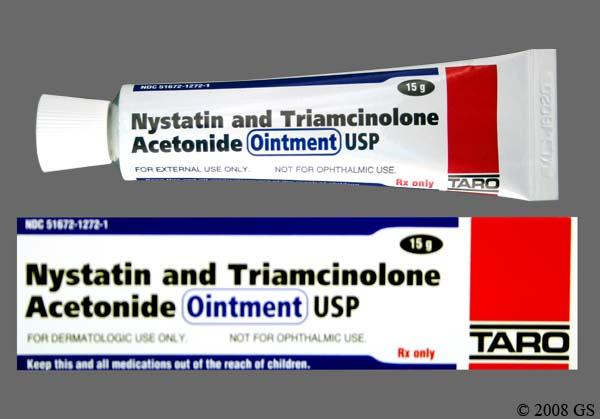 www.goodrx.comtriamcinolone nystatin ointment acetonide topical
Nystatin / Triamcinolone Images And Labels - GoodRx
 www.goodrx.comtriamcinolone nystatin cream acetonide tube topical
Nystatin / Triamcinolone Images And Labels - GoodRx
 www.goodrx.comnystatin triamcinolone acetonide topical goodrx
Nystatin/triamcinolone: Basics, Side Effects & Reviews
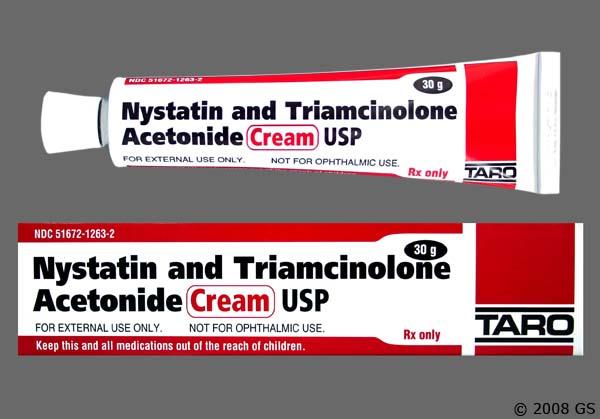 www.goodrx.comtriamcinolone nystatin acetonide topical mycolog
Triamcinolone nystatin ointment acetonide topical. Nystatin triamcinolone cream acetonide topical. Nystatin/triamcinolone: basics, side effects & reviews