how to test hypoglycemia Fatigue hypoglycemia causes diabetes cause after reactive blood bariatric surgery glucose test sleepiness common most gastric bypass
Living with hypoglycemia can be challenging, but with the right treatment, it is possible to manage this condition effectively. Hypoglycemia occurs when the blood sugar levels drop to an abnormally low level, leading to symptoms such as dizziness, confusion, and even loss of consciousness. In this post, we will explore some of the common treatment options for hypoglycemia and the journey to a healthier life.
Treating Hypoglycemia
:max_bytes(150000):strip_icc()/hypoglycemia-treatment-1087541_final-9a3d1e1f3dc74e8098dbd1549b93faec.jpg) When it comes to treating hypoglycemia, there are various approaches that can be taken, depending on the severity and underlying cause of the condition. The primary goal is to raise the blood sugar levels to a stable and healthy range. Let’s delve into some of the commonly used methods.
When it comes to treating hypoglycemia, there are various approaches that can be taken, depending on the severity and underlying cause of the condition. The primary goal is to raise the blood sugar levels to a stable and healthy range. Let’s delve into some of the commonly used methods.
- Dietary Changes
 One of the first steps in managing hypoglycemia is making dietary changes. A diet rich in complex carbohydrates, healthy fats, and lean proteins can help stabilize blood sugar levels. Avoiding sugary foods and beverages, as well as refined carbohydrates, can go a long way in preventing sudden drops in blood sugar. It is also important to eat small, frequent meals throughout the day to maintain a steady supply of glucose to the body.
- Medications
In some cases, dietary changes may not be sufficient to manage hypoglycemia. In such instances, medications may be prescribed to help regulate blood sugar levels. These medications may include drugs that stimulate the pancreas to produce more insulin, medications that improve insulin sensitivity, or medications that slow down the absorption of carbohydrates in the intestines. It is important to work closely with a healthcare professional to determine the most appropriate medication regimen.
- Exercise
Regular physical activity can play a significant role in managing hypoglycemia. Exercise helps increase insulin sensitivity and glucose uptake by the muscles, which can aid in maintaining stable blood sugar levels. It is important to engage in both cardiovascular exercises and strength training to reap the full benefits. However, it is crucial to monitor blood sugar levels before and after exercise to prevent any drastic drops or spikes.
- Continuous Glucose Monitoring
In some cases, individuals with hypoglycemia may benefit from continuous glucose monitoring (CGM). CGM devices provide real-time information about blood sugar levels, allowing individuals to proactively manage their condition. These devices can help identify patterns and triggers that may be causing episodes of hypoglycemia, ultimately aiding in better treatment and prevention strategies.
The Journey to a Healthier Life
Managing hypoglycemia can be particularly challenging for individuals who have undergone bariatric surgery. Reactive hypoglycemia, a condition that causes low blood sugar levels after a meal, can occur as a result of changes in the digestive system. However, with appropriate adjustments to diet and lifestyle, individuals can still lead a healthy and fulfilling life after surgery.
It is important for individuals who have undergone bariatric surgery to work closely with their healthcare team to develop a comprehensive plan for managing reactive hypoglycemia. This may include consuming small, frequent meals that are low in simple sugars and high in protein and fiber. Avoiding high-glycemic-index foods can also help prevent blood sugar crashes.
By making conscious choices about diet, exercise, and medication, individuals with hypoglycemia can take control of their health and improve their quality of life. Regular monitoring of blood sugar levels, along with consistent follow-up with healthcare professionals, is crucial in managing hypoglycemia effectively. Remember, everyone’s journey towards a healthier life is unique, and with determination and the right support, it is possible to overcome the challenges posed by hypoglycemia.
Overall, treating hypoglycemia involves a multimodal approach that encompasses dietary changes, medications, exercise, and continuous glucose monitoring. By adopting these strategies and working closely with healthcare professionals, individuals can lead fulfilling and healthy lives, even while managing hypoglycemia. If you are looking for Learn All About Neonatal Hypoglycemia - You are Mom you’ve came to the right place. We have 5 Pics about Learn All About Neonatal Hypoglycemia - You are Mom like How Hypoglycemia Is Treated, Hypoglycemia - wikidoc and also Learn All About Neonatal Hypoglycemia - You are Mom. Here you go:
Learn All About Neonatal Hypoglycemia - You Are Mom
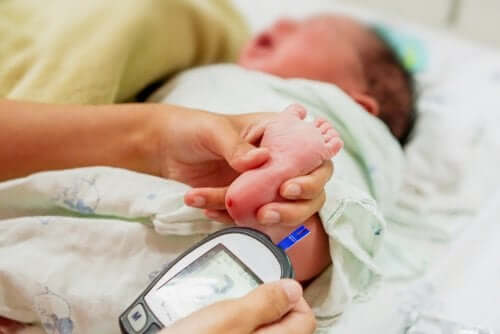 youaremom.comneonatal hypoglycemia diabetes glucose orale babies paediatrics dlife stick dextrose halveert aantal pasgeborenen mechanisms toediening illnesses ntvt registering fines maldivian
How Hypoglycemia Is Treated
www.verywellhealth.comhypoglycemia verywell verywellhealth
Hypoglycemia - Wikidoc
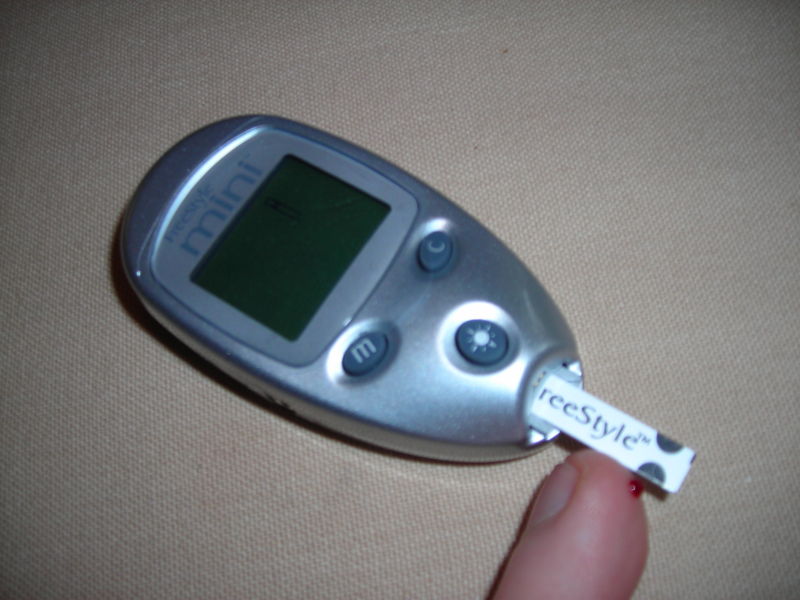 www.wikidoc.orghypoglycemia glucose test wikidoc patient other
Hypoglycemia (Low Blood Sugar): Symptoms, Causes, And More
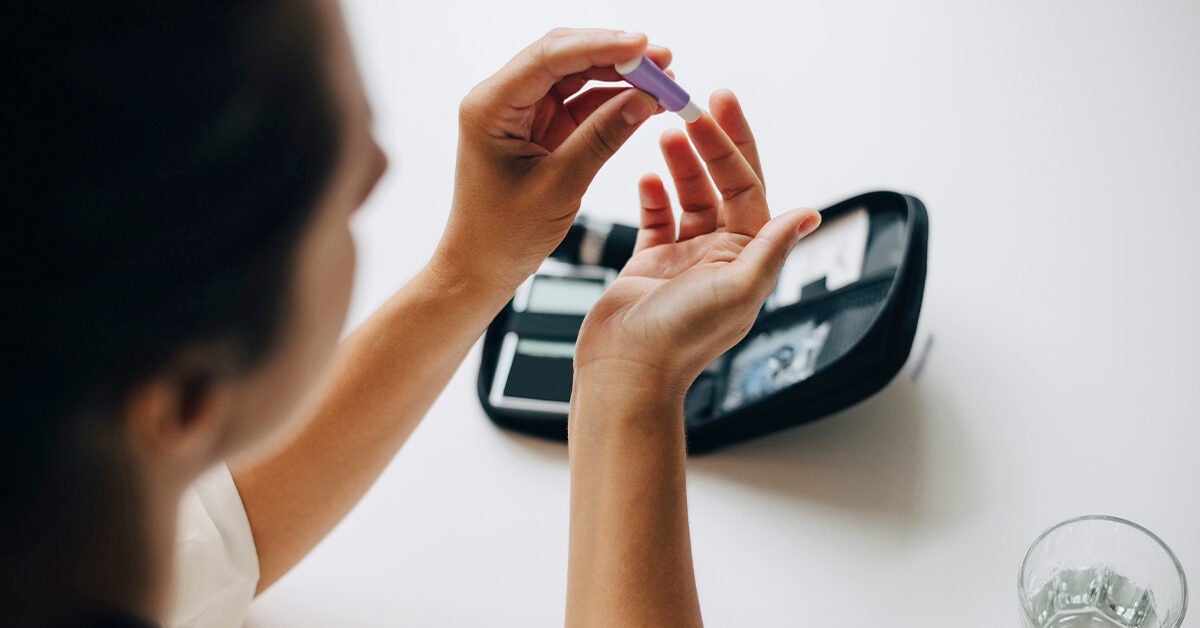 www.healthline.comglucose hypoglycemia sangue zucchero glicemia velocemente aumentare stabilize healthline
Journey To A Healthier Me: Reactive Hypoglycemia After Bariatric Surgery
pamtremble.blogspot.comfatigue hypoglycemia causes diabetes cause after reactive blood bariatric surgery glucose test sleepiness common most gastric bypass
Journey to a healthier me: reactive hypoglycemia after bariatric surgery. Neonatal hypoglycemia diabetes glucose orale babies paediatrics dlife stick dextrose halveert aantal pasgeborenen mechanisms toediening illnesses ntvt registering fines maldivian. Hypoglycemia (low blood sugar): symptoms, causes, and more